Namaste.
We begin our introduction to India and use this as we greet and part with Indians we meet. This is the traditional salutation, a slight bow with hands together, fingers up.
Today begin our city tour early--It's hot, around 110 ° F. We didn’t see a thermometer and agreed sometimes it's just better not knowing. Our guide, Seema, is a college professor with a real love of the history of the area. Her enthusiasm is infectious.
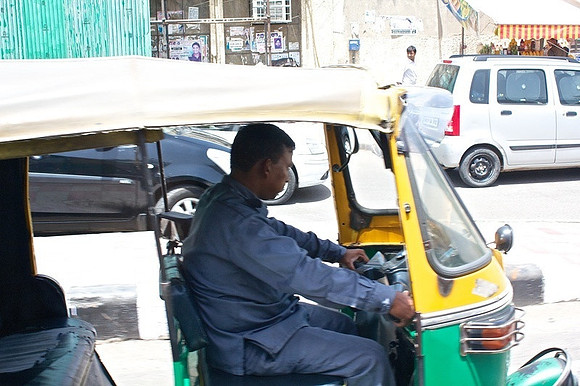
Indian auto-rickshaws, the Tuk-tuk are everywhere.

Our first stop is the Qutb Complex of Monuments, a UNESCO world heritage site.
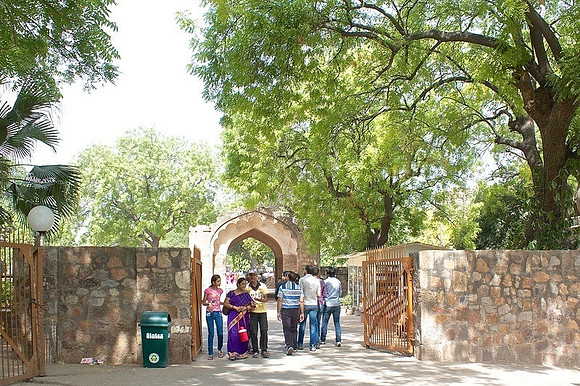
With the tallest minaret in India. It was constructed with red sandstone and marble.

The Qutab Minar, with a 73M tower, was built in 1193. It was the site of a large Hindu shrine which was torn down so the stone could be used to make the first Moslem mosque in India.

The detail in the carving of this huge monolith was amazing.
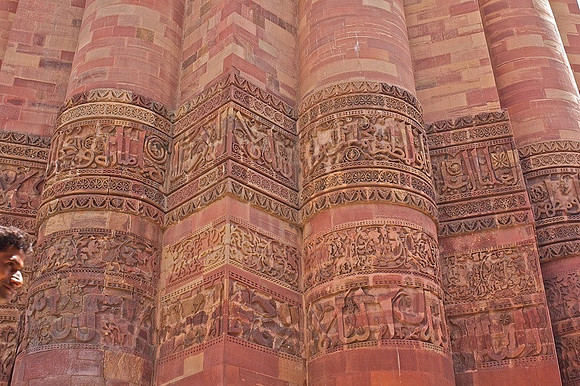
All the way to the top.

The comple was a popular site where visitors also can enjoy the gardens and the Mughal Quwwat-ul-Islam-Mosque, or the Great Mosque of Delhi.
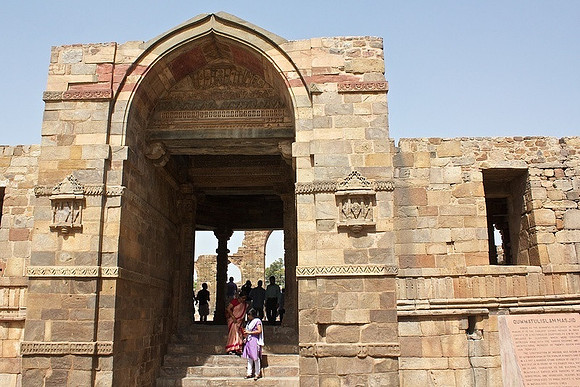
The mosque was built with intricately carved columns.

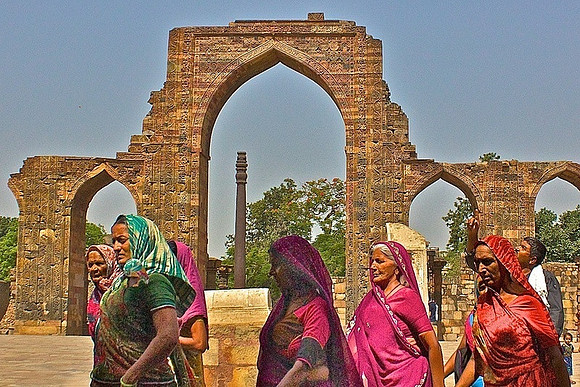
Some women in bright garb highlighted the Qutb Mosque Arch Ruin.
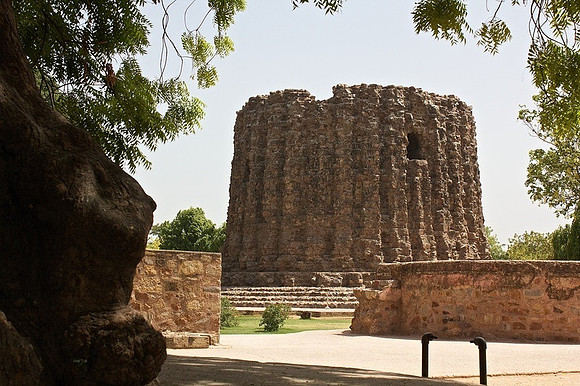
Nearby, the incomplete Alai Minar was planned to be twice as large as Qutab Minar. Work was abandoned after the death of the sultan.
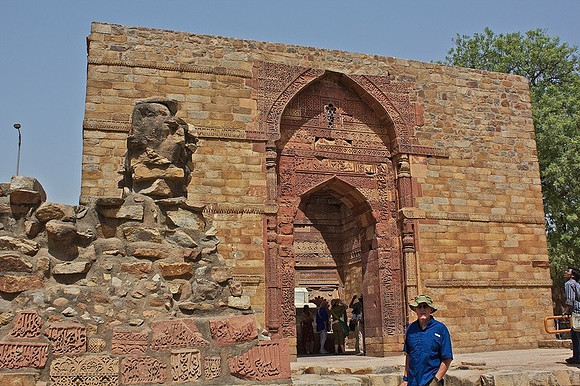
We took advantage of the photo ops at Alauddin Khilji's tomb.

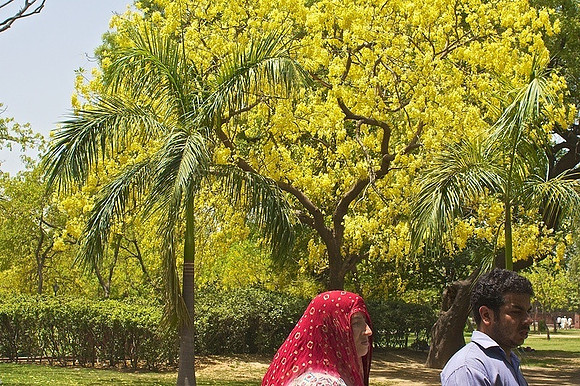
The gardens were spectacular, with the Gulmohur (Red Flame) trees,

And the Amaitas (Yellow Bliss) trees.

Some of the children at the site had their faces painted with kohl (lead sulfide) to keep them from being cursed by the evil eye...shades of Jack Sparrow in Pirates of the Caribbean.


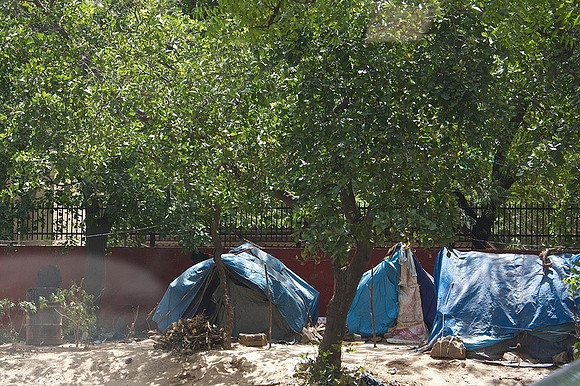
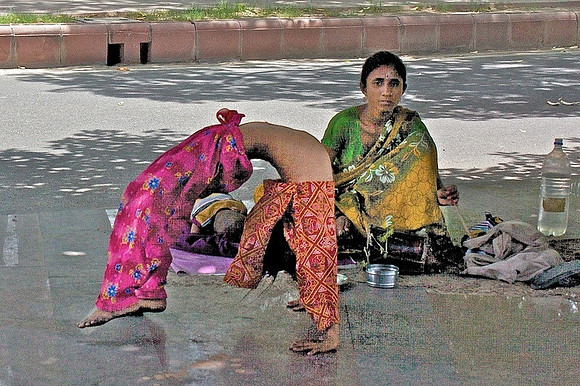
Along with our UNESCO sites, we saw some of the abject poverty during our sightseeing. People living in tent cities.
And women begging by having their children “perform” by the roadside.
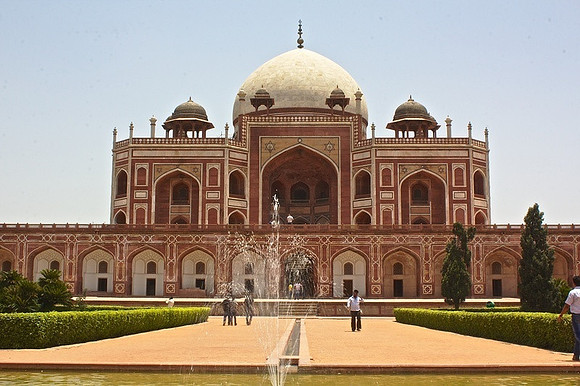
We visited the Tomb of Humayun next. and is also a UNESCO World Heritage Site.

Built for Mughal Emperor Humayun, this was the first garden-tomb on the Indian subcontinent. It inspired several major architectural innovations and was the prototype for the Taj Mahal. The sandstone and white marble introduced Central Asian and Persian styles of Islamic architecture.
A snake charmer, complete with cobra in a basket, charms us as he sits outside the Bu-Halma Garden.

The garden was filled with the brilliant Golden Bliss trees.
Heading back to the hotel, we passes the India Gate in heart of Delhi.

This was inspired by the Arc de Triophr in Paris. Originally known as the All India War Memorial, it is a prominent landmark in Delhi and commemorates the 90,000 soldiers of the Indian Army who lost their lives while fighting for the Indian Empire or more correctly the British Raj in World War I and the Thrid Anglo-Afghan War.
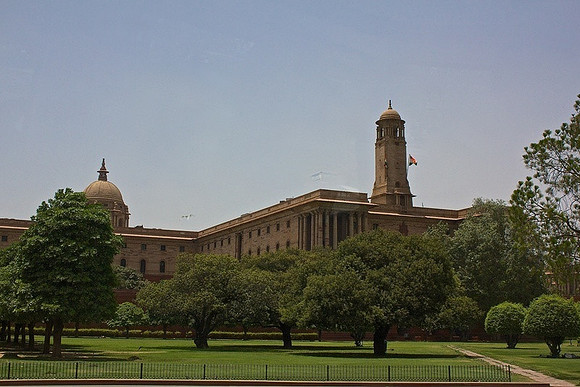
From there we took a quick look at the modern government complex before heading back to the air conditioned hotel.
That afternoon, I took a tuk-tuk by myself to a local craft market--it was the weekend so the usual haunts weren't opened. OK, but not great. Oh ell, I had to try.
We had dinner at the hotel with our Natural Habitat guide. He gave us the low down on what to expect tomorrow as we travel to the Ranthambhore Tiger Reserve.
We have another amazing day in store!

