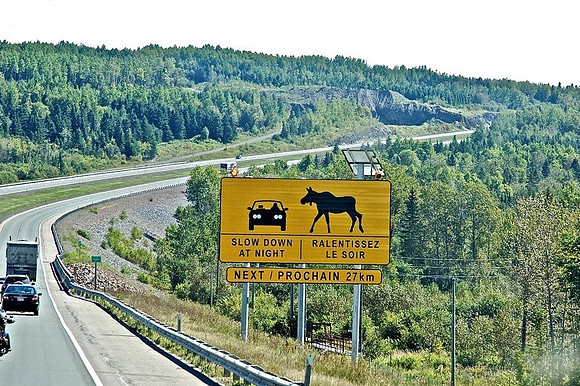
Through much of Canada we saw signs warning of moose on the roads. Going 60 miles an hour in a RV, this would be a problem so we did keep watch. All we saw were the great signs...guess that;s a good thing.

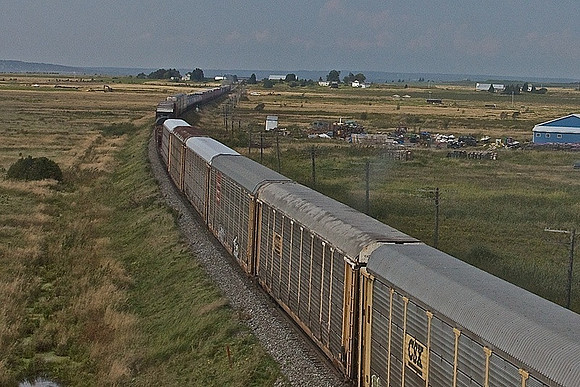
One other thing we noticed across Canada was the length of the trains used to transport goods across the country. We counted ourselves lucky we rarely had to wait for a train to pass, they mostly ran parallel to us. I counted over 70 at one crossing.
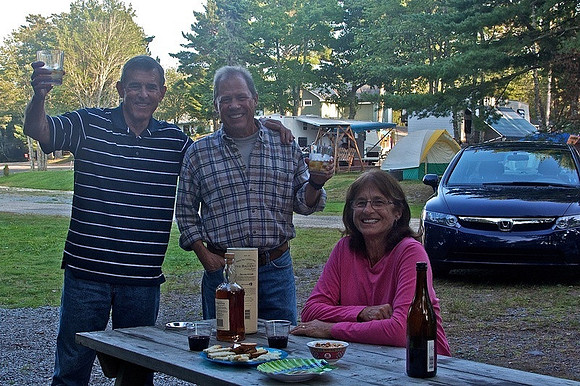
We bypassed Halifax to meet up with our Canadian friends, the O’Neills, in Mahone Bay and celebrated with the appropriate libations….
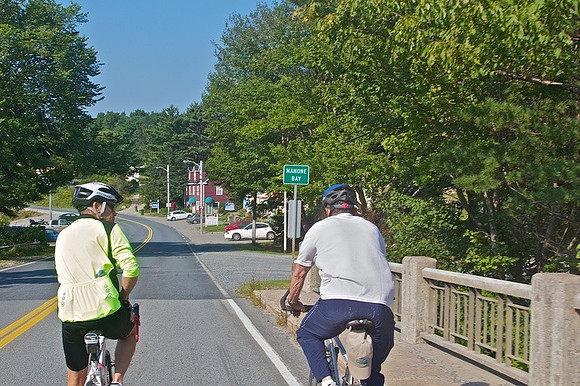
Tim gave us a great guided bike tour of the picturesque Mahone Bay countryside and city center…
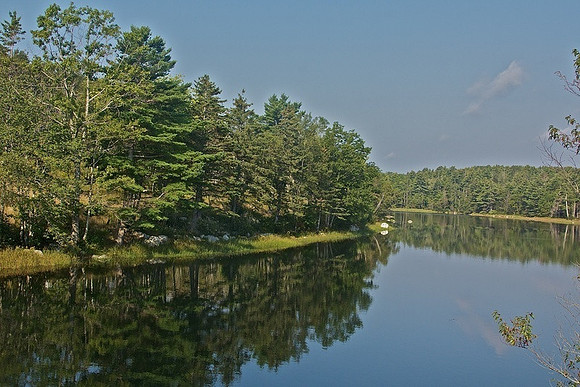
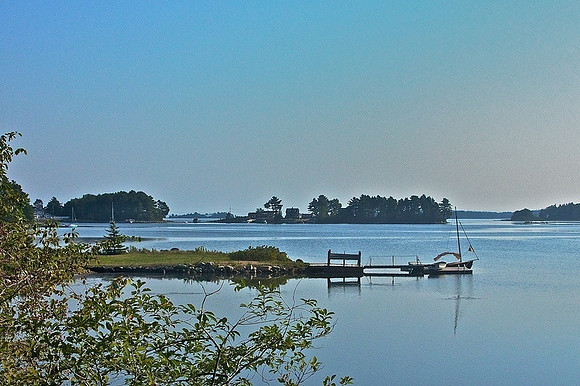
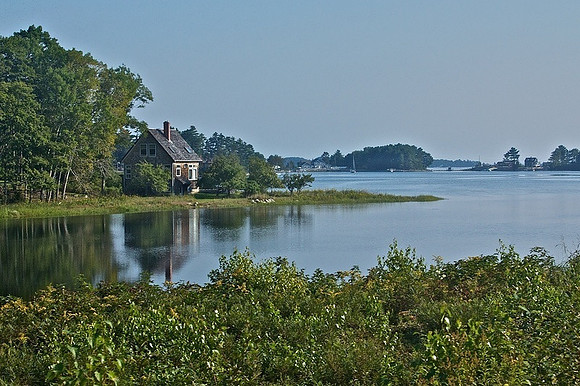
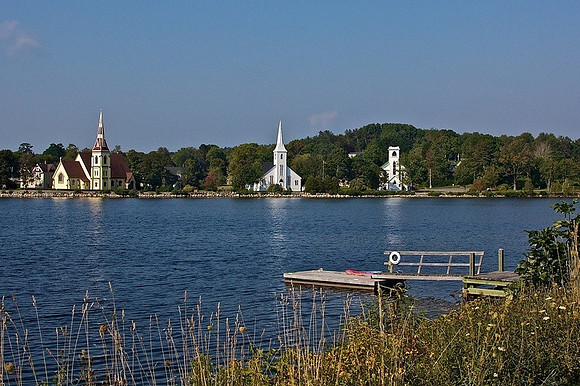
We got a picture postcard view of three beautiful churches on the water.
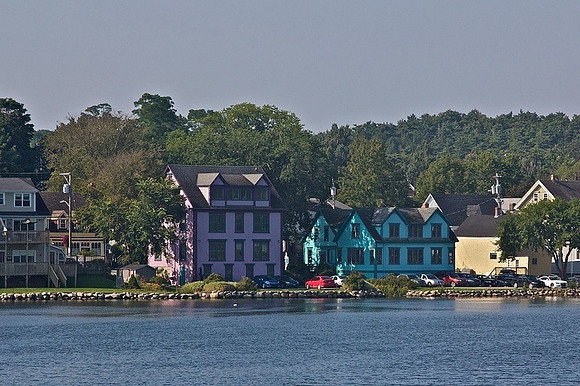
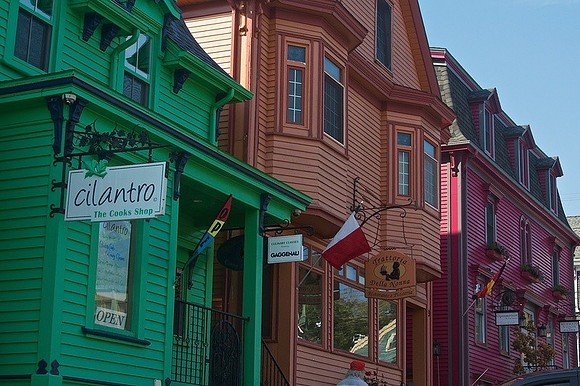
A great small, eclectic town with unique shops, colorful buildings
and the Amos pewter jewelry factory. A very special stop, particularly because our friends introduced us to the area.
From there we took a day trip to Lunenburg, another wonderful old, yet modern, city. This is where the Bluenose racing schooner was built in the 1920’s. A great source of Canadian pride, she won the International Fishermen's Races in that era before diesel engines changed fishing on the Grand Banks. After being wrecked, the Bluenose II was built in commemoration in 1963.
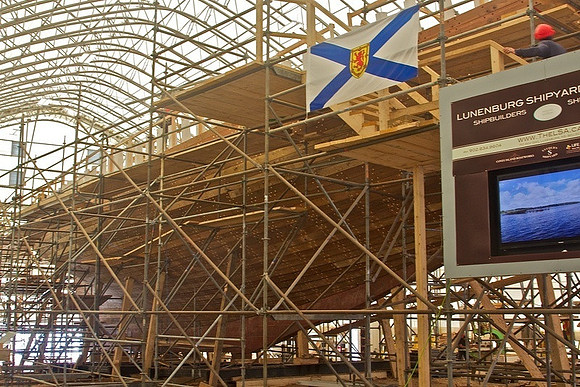
We visited the shipyard where a replica of Bluenose II is currently being re-built as an ambassador for Nova Scotia and Canada.
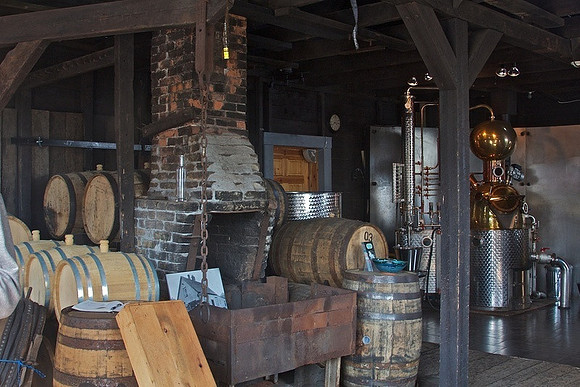
Walking around the city, we also visited The Ironworks, a totally green micro-distillery housed in an old blacksmith’s Shop. Using a beautiful German-made still they distill small batches of vodka, rum, brandy and liqueur from fresh natural ingredients.
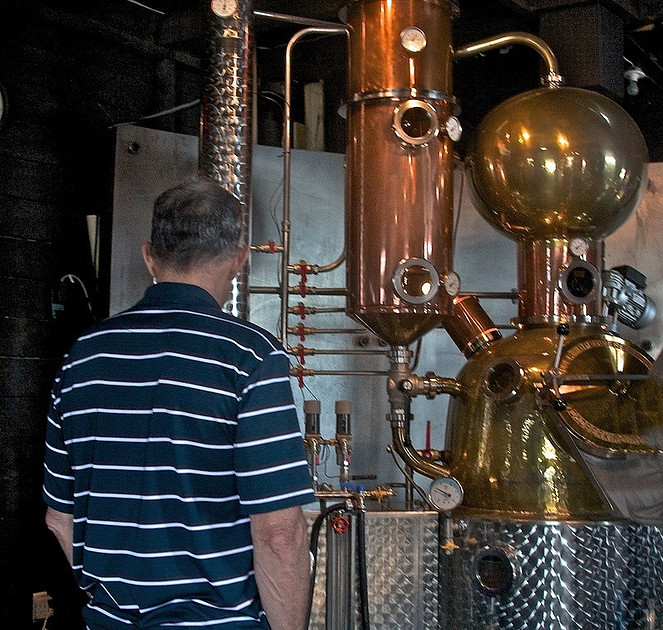
A charming place and it was great booze. We succumbed—several bottles for us and some for friends. A real treat!
As I mentioned, Lunenburg is modern—and historic.
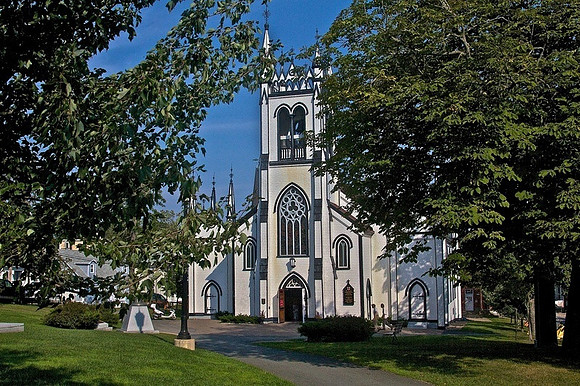
The St. John’s Anglican Church is a beauty and dates back to 1753.
By preserving the original architecture of the town, it is now designated a UNESCO World Heritage Site as the best surviving example of a planned British colonial settlement in North America.
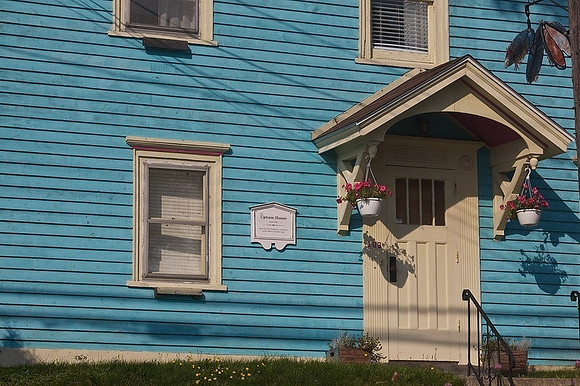
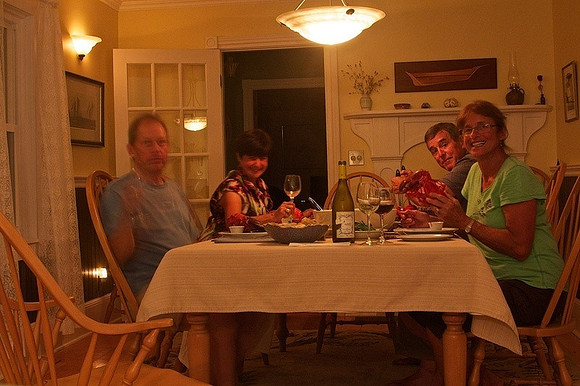
Back at the O’Neill’s, we had dinner in an old family house they have “made new” again.
They suggested we take another side trip the next day to rustic Peggy’s Cove. This is a coastal fishing village on the eastern shore of St. Margaret’s Bay that is a tourist and artist destination (William deGarth’s Gallery is here). Peggy’s Cove is situated at the confluence of the Labrador Current from the Arctic and the Gulf Stream bringing an amazing diversity of northern and Caribbean marine life into the bay. On a somber note, this is also the site where Swissair Flight 111 crashed 5 miles offshore in 1998.
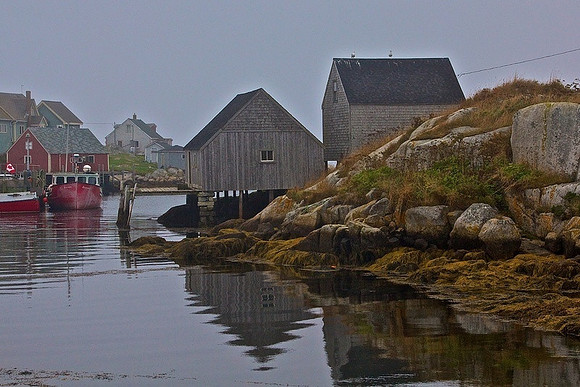
The famous Peggy’s Cove working lighthouse is perched on an iconic granite outcrop that is featured on the Lighthouse Trail scenic drive. The day we visited, the area was, as they say, shrouded in fog. We were a bit upset we didn’t have the scenic ocean views, but we got some interesting images.

And the village had an ethereal quality in the haze.
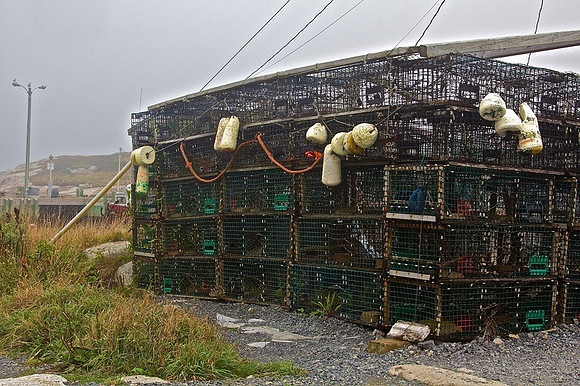
This is still the home working of working fishermen--and they have the lobster pots to prove it.
As a final take-away, we had delicious “Cornish Pasties” reminiscent to the pasties we first tasted in Michigan’s UP last summer—the U-per’s were better!

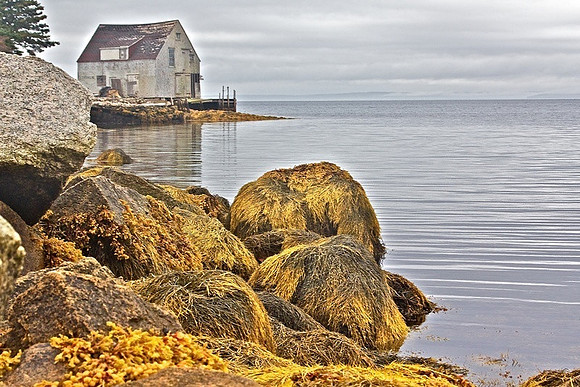
At the risk of overusing the words beautiful and scenic—more great views on the way back to Mahone Bay.

Tomorrow we head for the north corner of Nova Scotia, to Cape Breton Island and the famous the Cabot Trail!

